The Growing Impact of AI Data Centers on Infrastructure and the Environment
Introduction
As the digital economy continues to surge forward, AI data centers have become the backbone of countless technological advancements, playing a crucial role in managing and processing immense volumes of data. These centers are not only the lifeblood of the tech industry but have rapidly integrated into various sectors including finance, healthcare, and education, driving a digital transformation. But as their significance grows, so too do discussions around their construction and operation, particularly related to infrastructure and environmental sustainability.
Background
AI data centers were originally designed to handle computational tasks that exceed the capabilities of traditional data centers. Over time, these centers have evolved to accommodate the burgeoning demands of AI algorithms and machine learning systems, often requiring substantial energy and resources. However, this rapid evolution hasn’t been without complications. Perhaps one of the most pressing issues is their environmental footprint – energy consumption and heat generation have sparked significant concerns among environmentalists and policymakers alike.
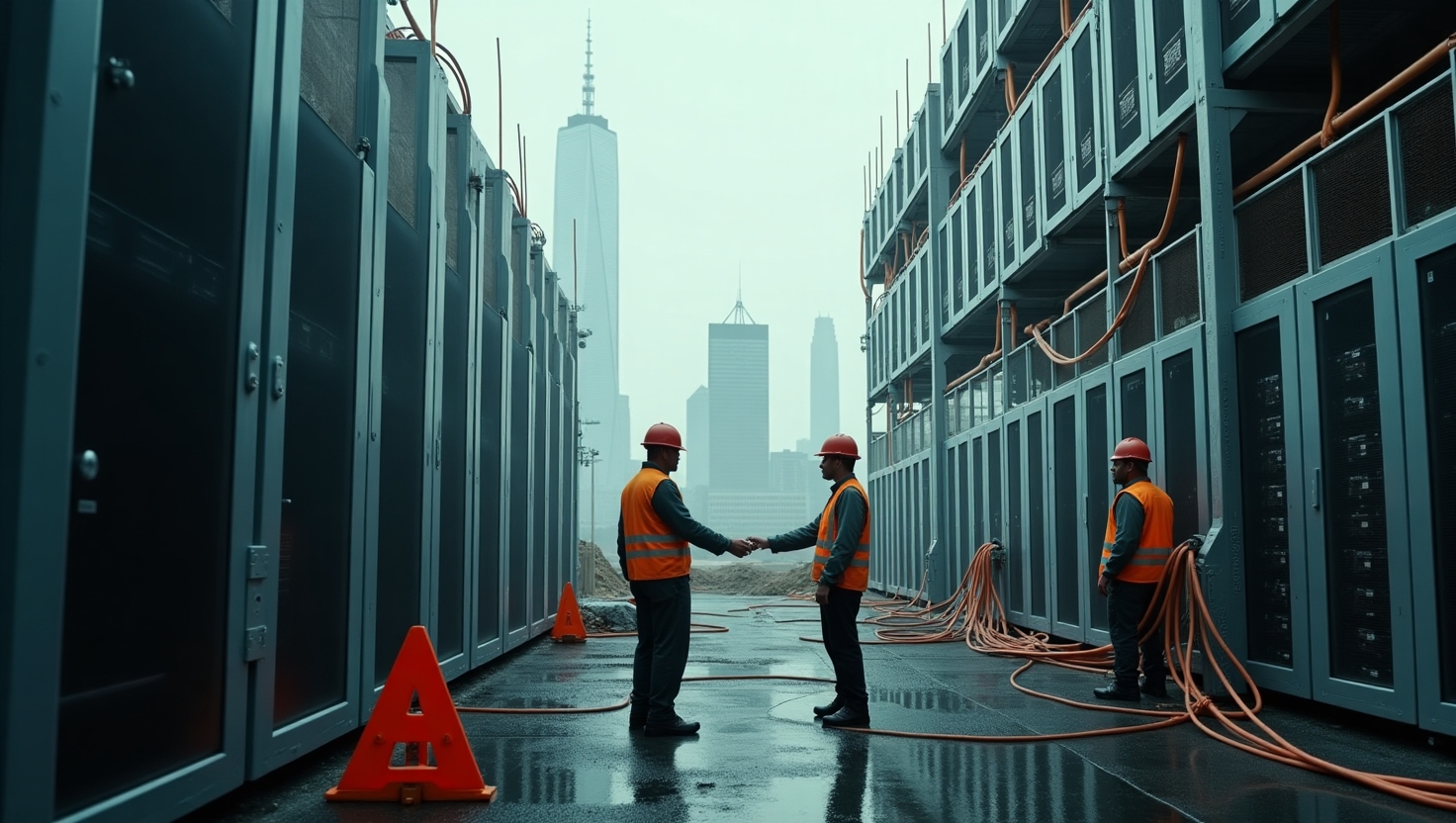
The rapid construction of these data centers poses additional challenges to existing infrastructure projects worldwide. The fierce race to build more sophisticated centers often results in a bidding war for scarce resources such as land and materials, as seen in countries with limited space and resources. This can delay or inflate the cost of other crucial infrastructure projects, such as roads and bridges, which are vital to economic development and public welfare (source: TechCrunch).
Current Trend
The construction of AI data centers is accelerating at an unprecedented rate. According to Bloomberg, private spending on data center construction has reached an annualized run rate of over $41 billion. This surge is driven by the relentless pursuit of technological dominance among tech giants and the increasing integration of AI into consumer and enterprise services. With such investments growing, these data centers are increasingly being viewed as a critical part of the global infrastructure.
Expert insights reveal that the demand for AI computing power is pushing organizations to build more data centers, further straining existing infrastructure. This trend is likened to the shift from horse-drawn carriages to automobiles in the early 20th century – both transitions required substantive overhauls of the infrastructure landscape, highlighting the scale and speed of change needed today.
Insight into AI Growth Impact
The ripple effects of AI data center proliferation extend beyond the tech realm, affecting broader infrastructure projects. With state and local governments selling record amounts of debt to fund other infrastructure developments, there’s concern that resources may be stretched too thin. As noted, another $600 billion in sales is forecasted for the next year, suggesting fierce competition for limited funding and resources (source: Bloomberg).
Significant growth in AI data centers amplifies the strain on available construction resources, as these projects often prioritize over traditional infrastructure due to their economic promise. If not managed wisely, this could result in a neglect of essential public infrastructure and exacerbate environmental issues, reinforcing the need for balanced development strategies.
Future Forecast
Looking ahead, the future of AI data centers seems both promising and challenging. Predictions suggest a continued expansion, with technological improvements aimed at reducing their environmental impact. Strategies involving the use of renewable energy sources and innovative cooling technologies are expected to play crucial roles in achieving sustainable development.
However, as AI data centers become integral to national economies, stakeholders must anticipate and prepare for decisive action to balance technological advancement with sustainability. The economic implications of this growth, if paired with strategic infrastructure planning, could bolster both sectors, supporting a digital transformation without compromising environmental integrity.
Call to Action
It’s imperative for stakeholders in both the tech and infrastructure sectors to engage in meaningful dialogue about the responsible development and operation of AI data centers. Decision-makers must prioritize sustainable practices and collaborate on strategies to harmonize AI progress with infrastructure development. Engaging with research, reports, and ongoing discussions is crucial for guiding these conversations forward.
For more insights and detailed studies on these dynamics, refer to related articles and reports that delve into the economic and environmental impacts of rapid infrastructure growth alongside AI advancements. This balanced approach will ensure technologies enhance, rather than hinder, our world’s infrastructure.