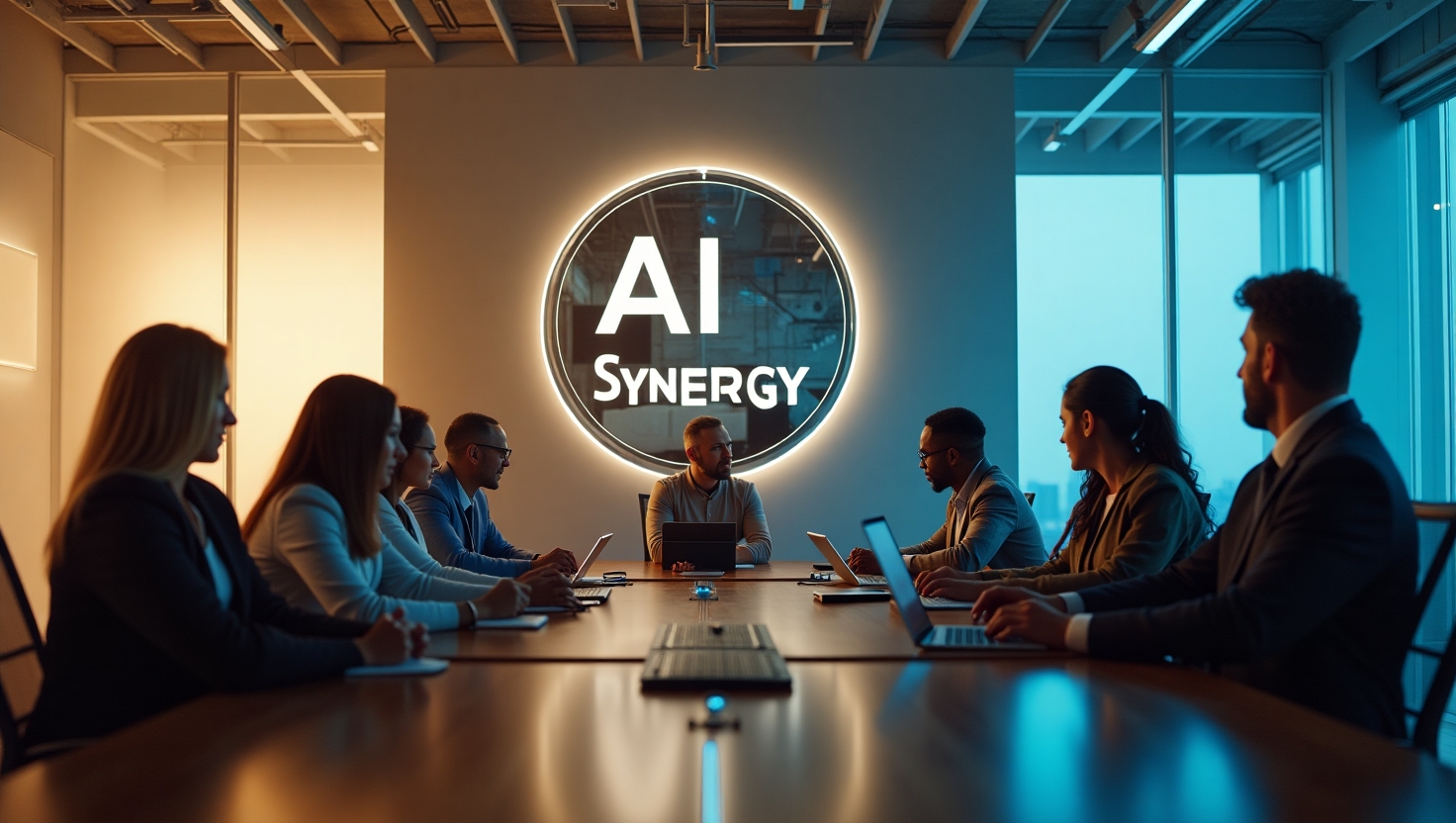
The Acceptance of AI: Fostering a Culture of Psychological Safety in Enterprises
Introduction
In today’s rapidly evolving technological landscape, artificial intelligence (AI) stands as a beacon of innovation, promising to transform how enterprises operate. However, for AI to be genuinely transformative, it must be accepted and integrated into the workplace culture by employees. The acceptance of AI hinges not only on technological capacity but also on the environment in which it is deployed—specifically, an environment characterized by psychological safety. This concept plays a pivotal role in overcoming resistance and fostering an atmosphere where employees feel secure in experimenting, learning, and collaborating with AI.
Background
Psychological safety refers to the shared belief that a team environment is conducive to taking interpersonal risks without fear of embarrassment or punitive action. It is the bedrock of a healthy workplace culture, encouraging employees to engage openly and contribute novel ideas. In the context of AI in enterprise, psychological safety is vital as it directly influences employee engagement. When employees feel safe, they are more likely to embrace AI technology because they trust that their inputs and interactions with these systems are valued and will not lead to negative consequences.
Psychological safety impacts not only the employees’ willingness to integrate AI but also their creativity and motivation. In workplaces where safety is prioritized, employees are encouraged to voice concerns and support the AI adoption process actively without the looming fear of judgment. This leads to a more engaged workforce that sees AI as a tool for empowerment rather than a threat to job security.
Trend
AI adoption within enterprises is accelerating, yet it’s accompanied by challenges rooted predominantly in cultural resistance rather than technical inability. A notable statistic from a recent MIT Technology Review Insights article reveals that only 39% of organizational leaders describe their workplace’s level of psychological safety as very high. This gap underscores the challenging dynamics within many enterprises striving to embrace AI fully.
These insights highlight the need for leadership to cultivate environments where psychological safety is prioritized, enabling smoother and more effective AI integration. Research indicates that a strong correlation exists between such a culture and the successful implementation of AI initiatives.
Insight
Creating a culture of innovation and psychological safety not only facilitates the acceptance of AI but is also indispensable for nurturing an innovative spirit within the organization. As stated by Rafee Tarafdar, Executive Vice President and Chief Technology Officer at Infosys, \”Psychological safety is mandatory in this new era of AI.\” Tarafdar emphasizes that only through addressing employee fears and uncertainties can enterprises create a supportive environment conducive to AI adoption.
Further surveys lead to the conclusion that 83% of executives acknowledge that prioritizing psychological safety measurably improves the success of AI initiatives. This statistic illustrates the tangible benefits of investing in workplace culture to facilitate AI integration (source: Technology Review).
Forecast
Looking to the future, enterprises that emphasize psychological safety are poised to excel in the acceptance of AI. As the implementation of AI technologies becomes more widespread, these companies will likely outperform competitors due to their employees’ higher engagement levels and innovative contributions. Workplaces characterized by robust psychological safety will emerge as leaders in the AI revolution, showcasing a direct link between cultural factors and technological success.
Call to Action
As organizations venture deeper into the digital age, assessing the current level of psychological safety within the workplace becomes imperative. Leaders should ask: Are employees comfortable voicing concerns? Do they perceive AI as an ally to innovation rather than an adversary? Organizations should aim to:
– Conduct regular assessments of psychological safety.
– Establish clear communication channels for employees to express AI-related concerns.
– Provide ongoing education and training to reinforce the supportive role of AI.
By proactively addressing these elements, enterprises can significantly enhance employee engagement and pave the way for successful AI integration. For further reading on this topic, consider diving into related articles, like the one available on MIT Technology Review here, which provides valuable insights into creating innovation-friendly workplace environments.
In conclusion, the road to AI acceptance is not solely a technological journey but a cultural evolution that requires empathetic and strategic leadership to guide the way.