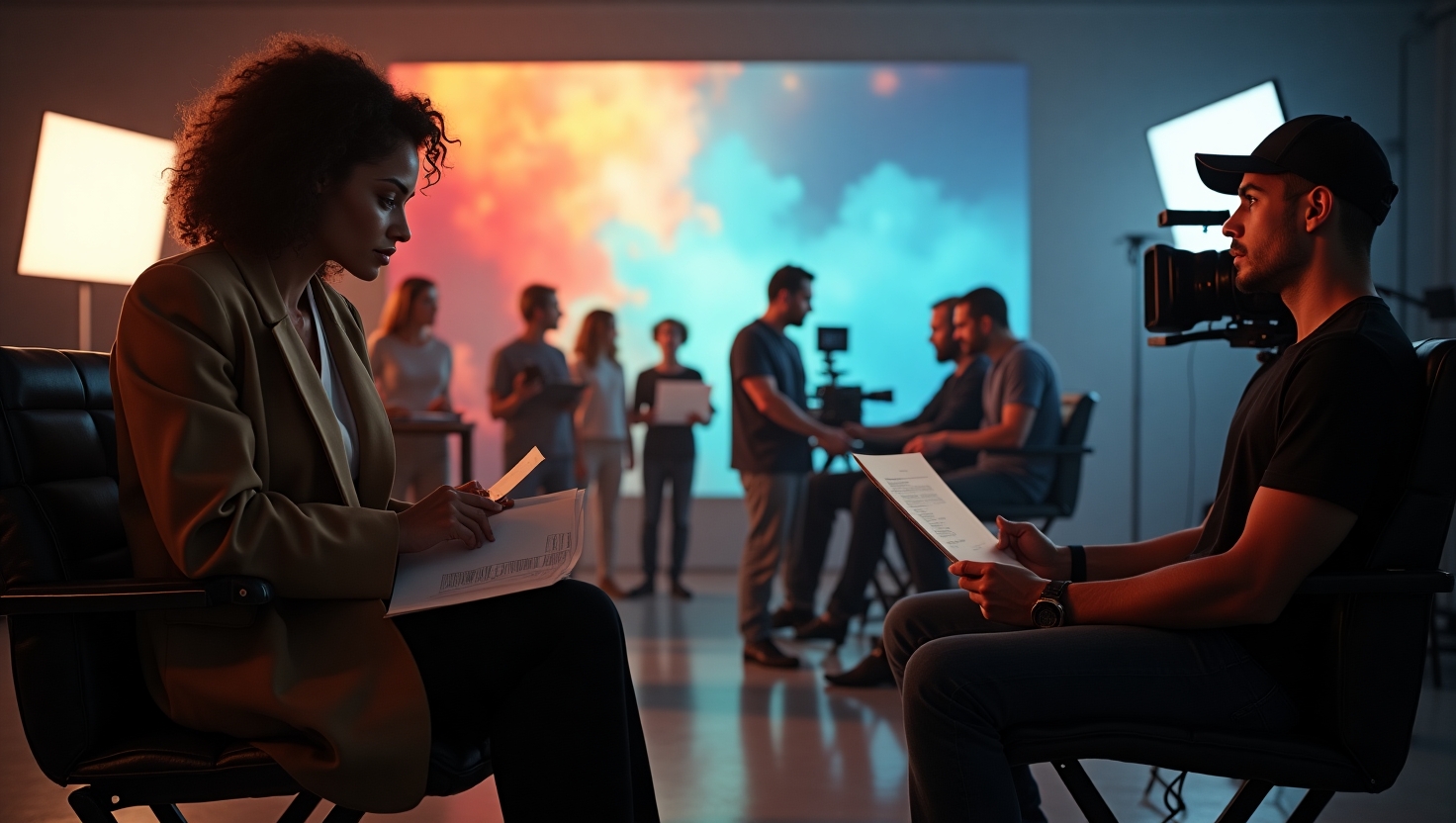
The Intersection of AI and Artistic Beauty in Modern Filmmaking
Introduction
In the vibrant world of cinema, a quiet revolution is taking place at the intersection of AI and artistic beauty. This confluence is not just reshaping how films are made and marketed but is also redefining storytelling and creative direction in profound ways. As directors like Jon M. Chu, known for helming projects such as Wicked: For Good, embrace these technological advancements, the film industry’s landscape is being meticulously redrawn. This article explores the transformative influence of AI on filmmaking, its implications for artistic direction, and how it continues to shape audience engagement and storytelling.
Background
The film industry is in the midst of a paradigm shift catalyzed by rapid technological advancements. Directors such as Jon M. Chu stand at the forefront of this evolution. His work, particularly the adaptation of Wicked, highlights both the challenges and opportunities that the integration of AI brings to artistic direction. Traditionally, filmmakers relied heavily on intuition and hands-on creativity, but AI introduces additional layers of complexities and possibilities. Like artists before the dawn of photography, filmmakers now grapple with a new toolset that could potentially redefine the very essence of creativity.
In the realm of artistic direction, AI’s ability to analyze vast amounts of data aids directors in crafting nuanced narratives. The use of algorithms to refine scripts or predict audience preferences has altered the traditional creative process. Chu, whose upbringing in Silicon Valley enriched his perspective on technology in film, reflects on how AI has molded not just the content of films but the method of storytelling itself (WIRED, 2023).
Trend
AI’s role in reshaping the cinematic experience extends beyond the confines of the screen, infiltrating marketing strategies and distribution channels. Consider the rise of viral marketing and the burgeoning influence of social media. Innovative campaigns for films like Wicked leverage AI to analyze trending topics, tap into influencer culture, and target precise audience demographics. Jon M. Chu, among others, utilizes these tools to ensure his films resonate globally, quite like a conductor directing an orchestra to perform in flawless harmony.
AI’s capacity to track real-time viewer feedback and engagement allows filmmakers to tailor their marketing strategies dynamically. This trend signifies a shift towards a more audience-centric approach in cinema, where AI acts as a bridge connecting creative intentions with the pulse of popular culture (WIRED, 2023).
Insight
Jon M. Chu’s journey with Wicked: For Good provides invaluable insights into balancing artistic integrity with audience expectations. In discussions, Chu has often highlighted personal anecdotes that reflect his commitment to upholding the core narrative of his films while embracing technological innovations. The film’s resounding success, becoming the highest-grossing adaptation of a Broadway musical in history, underscores the potential of harmonizing AI with creative visions.
Chu’s Silicon Valley roots offered him a unique vantage point to appreciate technology’s potential in enhancing storytelling without compromising the art’s soul. As he navigated the integration of AI into his directorial practices, he likened it to a dance—sometimes leading, sometimes following, ensuring that neither overwhelms the other (WIRED, 2023).
Forecast
Looking ahead, the film industry stands at the cusp of even greater innovations. Emerging technologies will likely continue to weave AI into the fabric of filmmaking. We can anticipate AI playing a more pronounced role in every stage, from script development to post-production. Virtual reality and augmented reality, coupled with AI, may redefine storytelling entirely, offering audiences experiences akin to stepping inside a narrative.
Furthermore, AI could empower personalized storytelling, where narratives dynamically adapt to individual viewer preferences, thereby enhancing engagement and satisfaction. This potential transformation heralds a future where artistic beauty driven by AI sets new standards for creativity and audience involvement.
Call to Action
As the convergence of AI and artistic beauty continues to captivate the film industry, understanding this dynamic interplay is crucial for both creators and audiences. We encourage readers to explore current cinematic works that exemplify this harmony and to engage in conversations about these shifts. Share your thoughts on social media platforms and join the dialogue on how AI shapes the new era of filmmaking. Let us collectively navigate the evolving landscape of movies, where art meets technology in unprecedented ways.
Citations:
1. \”Interview with Jon M. Chu on the Evolution of Filmmaking\”
2. \”AI in Movies: The New Frontier\”